When educators return to their classrooms after a professional development program, the most important question is not what they saw. It's what they will do differently.
For the educators participating in the 2026 Pilar Barbosa Education Internship Program at The Washington Center, the answer may involve experimenting with artificial intelligence, rethinking how technology is introduced to students or becoming more intentional about protecting privacy and equity.
It may also mean understanding Washington differently.
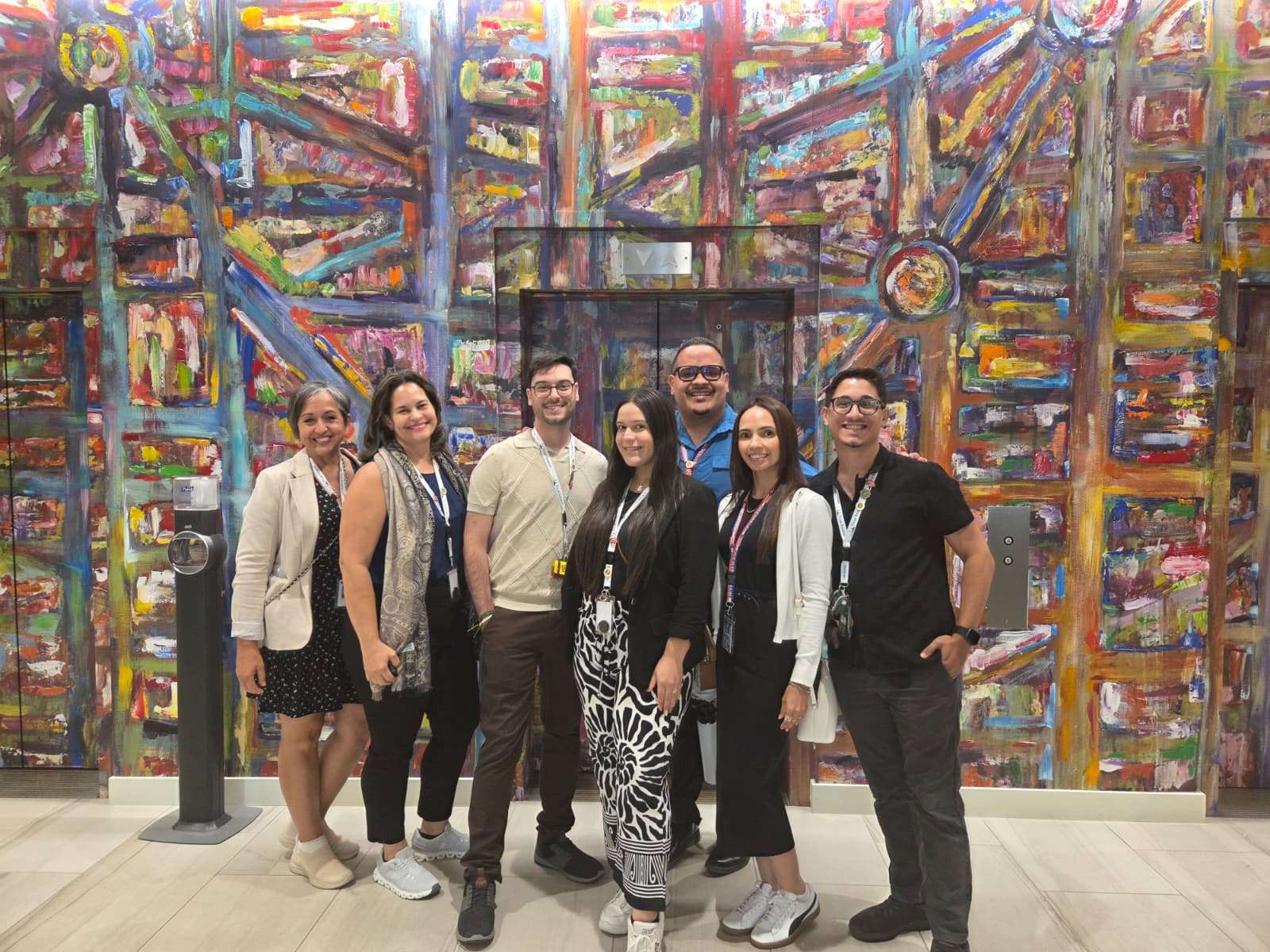
Over the course of their time in the nation's capital, Puerto Rican teachers and education administrators explored emerging AI tools, built instructional projects, met with technology experts and visited federal and congressional offices.
But beneath those experiences was a larger question:
How can educators prepare their students for a rapidly changing world while making sure technology actually serves learning?
That question shaped the program's approach to AI.
In Dr. Guillermo Lopez Diaz's workshop, Leading Ethical AI Adoption for Personalized Learning, participants were asked to begin with their own classrooms rather than with technology. They identified a teaching or learning challenge, then considered whether AI could meaningfully address it.
They evaluated potential tools for pedagogical value, privacy, equity, transparency and human oversight before developing a small-scale plan to test when they returned home.
The exercise shifted AI from something educators were being told to "learn" into something they were being asked to think critically about.
The AI workshops changed the way I see my role as a teacher. I realized that instead of resisting AI, we need to teach our students how to use it ethically, critically, and responsibly to prepare them for the future."
Almairy Morales Esteves
Then came the opportunity to experiment.
During Carmelo Allende's Vibe Coding session, educators used generative AI to create instructional games, including vocabulary challenges, math activities and science simulations.
Other sessions introduced tools for lesson planning, feedback and writing instruction, while workshops from Ready Force Cyber explored practical classroom applications.
The educators weren't simply watching demonstrations. They were trying things themselves. That distinction matters. The more educators can experiment with technology in a low-stakes environment, the better positioned they are to determine what belongs in their classrooms and what doesn't.
Through this experience, I had the opportunity to explore innovative strategies and platforms that can enhance learners’ motivation, engagement, and academic performance. Now I feel more empowered to empower my students to participate in their own learning experience."
Vanessa Lugo
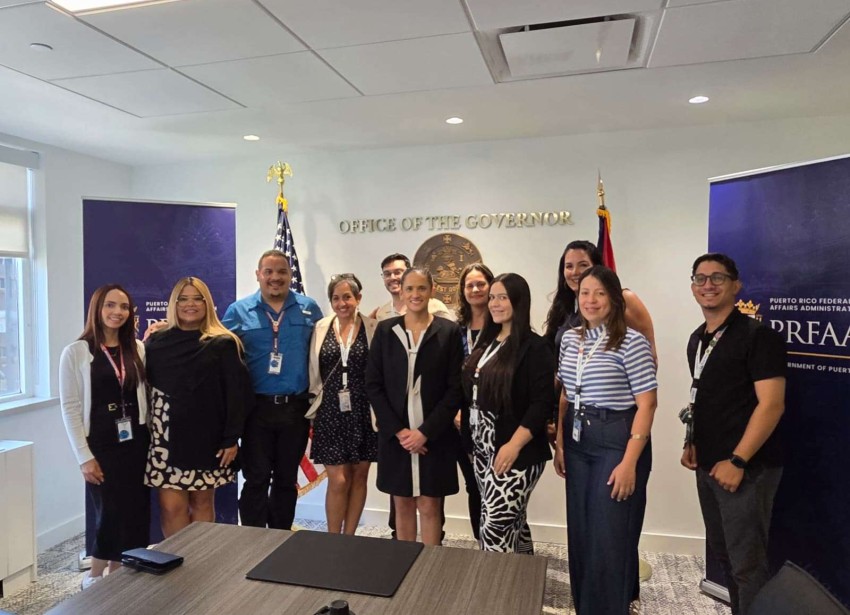
But technology was only part of the experience. The educators also spent time learning how federal decisions can affect the schools and students they serve. Meetings at congressional offices and the Puerto Rico Federal Affairs Administration gave participants a direct view into the relationships between Puerto Rico, Congress and federal agencies.
At the Longworth House Office Building, educators learned about the role of the Resident Commissioner and the legislative process. At PRFAA, César Marin-Massini, the agency's Director of Communications hosted a roundtable with Gabriella Boffelli, Executive Director of PRFAA, representing Governor Jenniffer González-Colón. Boffelli's portfolio centers on the administration's educational priorities: modernizing public schools using federal disaster recovery funds, expanding bilingual education programs across the island's public schools, and sustaining federal resources and literacy initiatives through ongoing dialogue with U.S. agencies. For educators, it was a direct line into how policy priorities they'd only read about actually get translated into funding and classroom infrastructure back home.
Education is more than gaining knowledge; it is discovering the power to shape your future and transform your community. It is inspiring people to be their best version of themselves through education."
Dr. Belimar Ramos
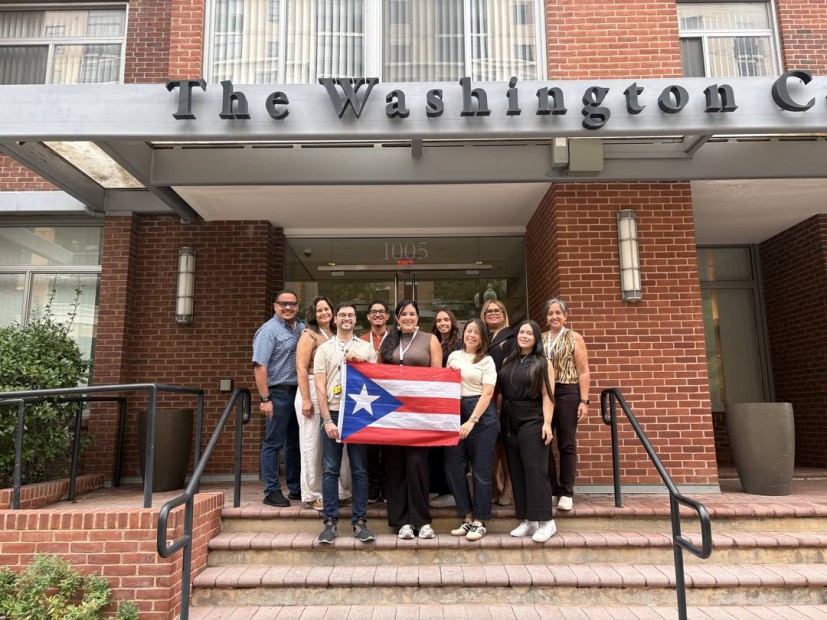
When educators return to their classrooms after a professional development program, the most important question is not what they saw. It's what they will do differently back home.
The Pilar Barbosa Education Internship Program, named for Puerto Rican historian and educator Pilar Barbosa de Rosario, is administered through a partnership between the Puerto Rico Legislative Assembly's Office of Legislative Services and The Washington Center.
About the Author
Follow on Twitter Visit Website More Content by The Washington Center