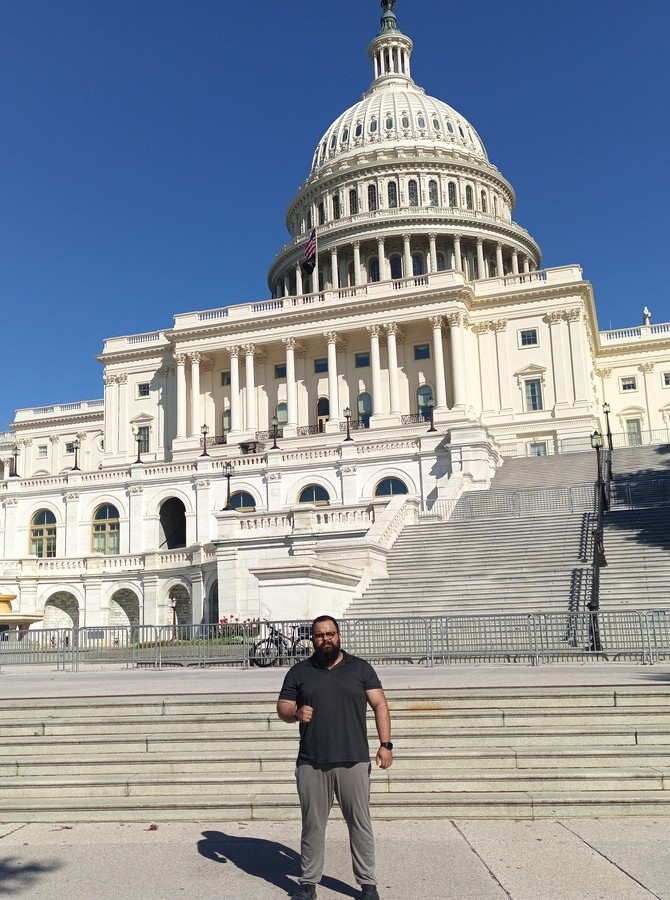
One week in Washington, D.C. didn't give Gabriel Alan Lozano González the idea. It gave him confidence that his idea was worth the work, and the network to begin proving it.
When Gabriel arrived at TWC's Capitol Immersion Program, he was already building NAE, an independent think tank in northern Mexico designed to fill a gap no one else was addressing rigorous, nonpartisan analysis connecting a rapidly integrating border economy to the policymakers in Washington who shape it. He came looking for a system. He found one.
That’s what brought him to TWC’s Capitol Immersion Program.
I wasn’t looking for a credential. I was looking for a system.”
Gabriel Lozano

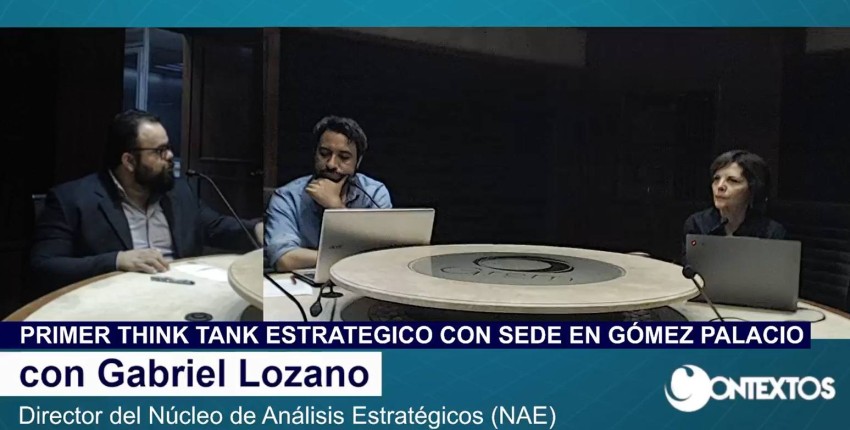
There is a specific kind of moment where TWC’s short-term programs are built for, not the scheduled sessions, but what happens inside them. For Gabriel, it came during a conversation on the role of think tanks in policymaking, when he mentioned he was in the early stages of building one in northern Mexico.
The conversation didn’t slow down. It accelerated. Speakers Patrick Cole, Charmaine Yoest and TWC President Kim Churches, engaged directly, not with polite interest, but with genuine questions. In Washington, where everyone is building something, the people who ask a second question tell you something important.
The most valuable thing TWC gave me in that moment was not information. It was legitimacy—the sense that this kind of project, built at the binational frontier, was worth taking seriously.”
Gabriel Lozano
Before the program, he understood Washington the way most people do from the outside: as a system of institutions. The program gave him a second map. Underneath the visible architecture, D.C. runs on something far less visible and far more decisive, a continuous, overlapping exchange between think tanks, advocacy organizations, government staff and the individuals who move between all of them.
He left with a higher standard and a clearer understanding of the relational architecture his institution would need to build. Not a template. A set of principles he had observed in practice.
What he would tell a student on the fence:
The hesitation you feel is probably the most important reason to apply. Come with your questions, your context, and your ambition. The experience will show you more clearly than almost anything else, what becomes possible when you bring them into the right room.”
Gabriel Lozano
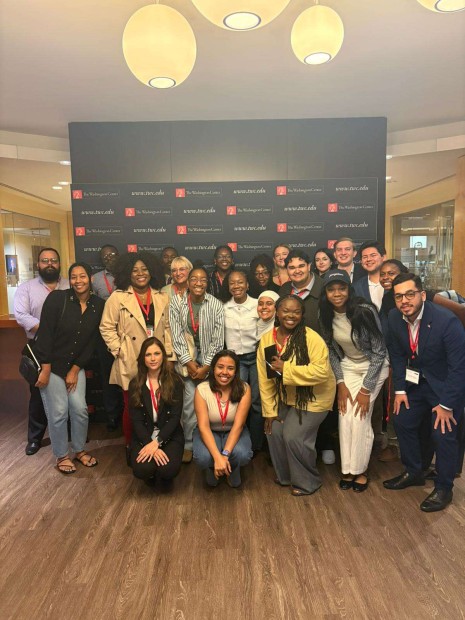
Gabriel returned home with something his regional peers couldn’t replicate: a network that extends beyond his ecosystem, a clearer understanding of how decisions get made at the federal level, and the beginning of relationships he intends to build on for the rest of his career.
TWC didn’t give him the idea. It gave him confidence that the idea was worth the work.
Ready to Discover Your Path in Washington, D.C.?
The Washington Center's accelerated programs connect students and young professionals with career-defining opportunities in Washington, D.C. – all in one week or less. Through direct access to industry leaders, hands-on professional development and meaningful networking, participants gain clarity about their future and build connections that open doors. See our upcoming programs.
About the Author
Follow on Twitter Visit Website More Content by The Washington Center