


Jamiah Bailey, an undergraduate at Stockton University, is a communications major minoring in Africana Studies and Political Science. She joined The Washington Center’s Academic Internship Program with a clear pull toward politics and a curiosity about how government and the nonprofit world intersect. She spent the summer term as a workforce intern at Friends of Guest House, a nonprofit that supports women rebuilding their lives after incarceration.
What were you working on this summer at your internship?
My day-to-day work focused on communications, research and organizational support. I interviewed full-time staff members who had previously participated in the program for a research project, gathered research materials, wrote the monthly newsletter and managed the programming calendar.
What skills did you build over the summer?
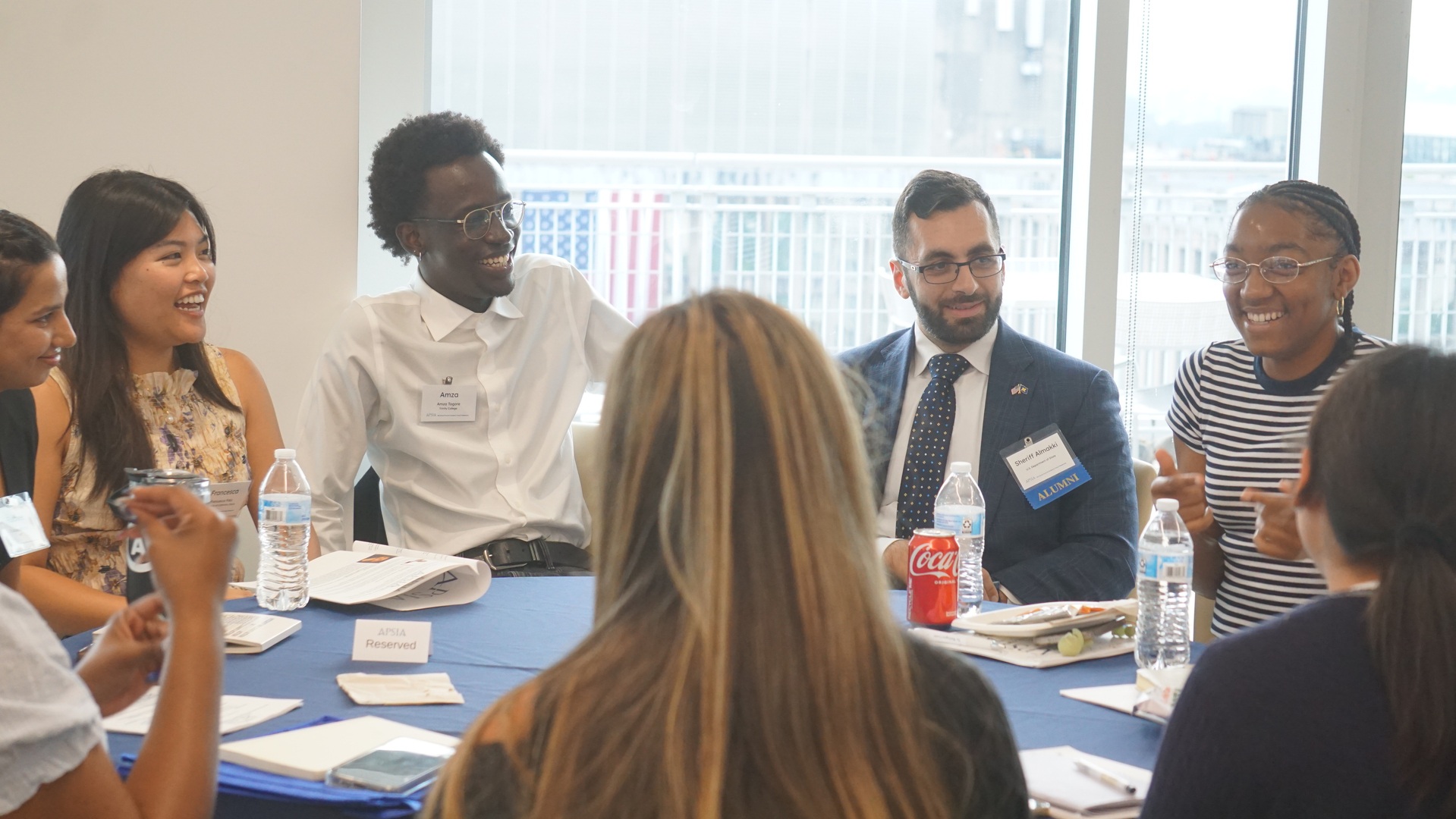
I strengthened my communication, research, organization, interviewing and networking skills. I also became more comfortable using Microsoft Teams to coordinate programming and communicate with collaborators. One experience that stood out was attending the APSIA Forum for Students and Young Professionals, where I met graduate school representatives, foreign service professionals and students interested in public service. Those conversations gave me a better understanding of career paths, graduate school and the importance of building genuine professional relationships.
What were you nervous about before coming to D.C., and how did you work through it?
I was nervous about moving to a new city and entering a new professional environment. I was also unsure about having an internship that wasn’t directly related to my long-term career goals. I worked through that by staying open-minded and focusing on the skills I could gain. I realized that the leadership and communication skills I developed through my experiences at Stockton transferred directly into my internship. Ultimately, the experience helped clarify what I want to pursue after graduation.
Did you receive a scholarship?
Yes. Had I not received any financial aid, I would not have been able to accept the program’s offer and intern so far away from home.
What’s one moment you won’t forget?
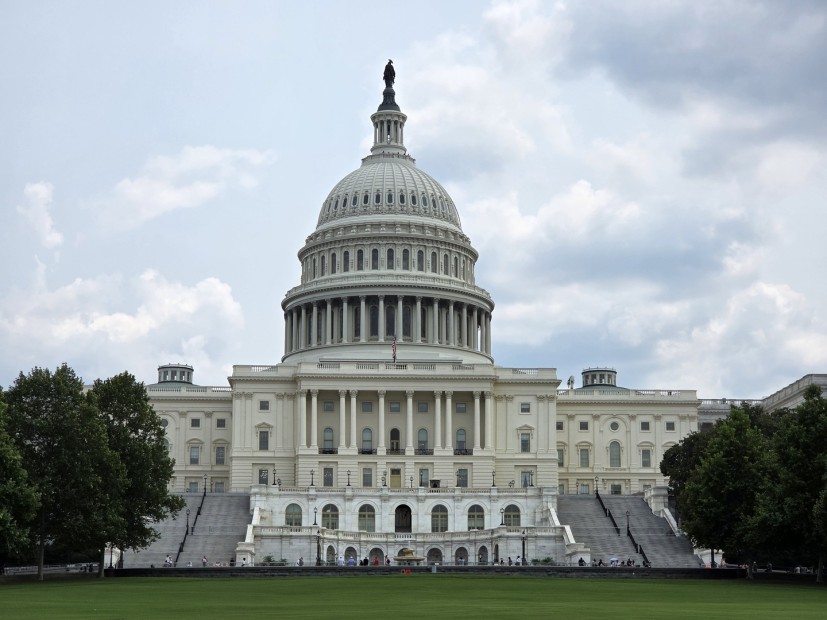
The 250th fireworks on the National Mall! It was the most beautiful fireworks show I have ever seen in my entire life. I might not ever see another show like it. I’m so glad I chose this summer to live in D.C. Best decision of my life!
Related Reading
TWC for Government, Political Science & International Relations Students
A Day in the Life of a TWC Intern at a D.C. Nonprofit
Frequently Asked Questions
Do I need to be a political science major to intern in Washington, D.C.?
No. Jamiah Bailey is a communications major at Stockton University, and communications work is exactly what her internship site needed. At Friends of Guest House, a nonprofit supporting women rebuilding their lives after incarceration, she wrote the monthly newsletter, gathered research materials, interviewed full-time staff for a research project and managed the programming calendar. TWC’s Academic Internship Program is open to undergraduates in any major, and our internship partners hire for writing, research, data, design and program coordination as often as they hire for policy coursework.
What does a communications major actually do at a D.C. nonprofit internship?
Real communications work, not busy work. Jamiah’s summer at Friends of Guest House covered three areas: communications, research and organizational support. She owned the monthly newsletter, ran interviews with full-time staff who had previously been through the organization’s program, gathered materials for that research project and managed the programming calendar. She described the skills she built as communication, research, organization, interviewing and networking, along with day-to-day fluency in Teams for coordinating programming with collaborators.
Can I do a D.C. internship that isn’t in my exact career field?
Yes, and it often clarifies your direction rather than costing you time. Jamiah was unsure about accepting a role that was not tied to her long-term goals. She stayed open-minded, focused on the skills she could build, and found that the leadership and communication skills she had developed at Stockton transferred directly into the internship. In her words, the experience “helped clarify what I want to pursue after graduation.” Before you arrive, you work with a TWC career coach to identify your strengths and build an internship strategy, so you can name the skills you want to develop even when the sector is unfamiliar.
How many hours a week is a TWC internship?
At least 32 hours a week. Depending on the arrangement with your site, the internship is either in-person, remote or hybrid, with Washington, D.C. as your home base for the term. On top of those hours you take an academic course one evening a week, and attend career readiness programming, so the program is built as a full-time commitment rather than something to fit around another job.
Are TWC internships paid?
Many internship partners offer some form of compensation, which can mean a stipend, hourly pay, transportation fare or a combination, and you can see what an organization offers before you interview with them. Details are on the Academic Internship Program page.
Are scholarships available, and how do I apply for them?
Yes, and you are considered automatically. TWC offers state scholarships, private scholarships and need-based aid, with funding available for campus leaders, honors society members, students with disabilities and more. You do not submit a separate scholarship application: applying to the program puts you in consideration for every award you qualify for. For need-based aid you will need to share your financial standing in the TWC application and submit the FAFSA. For Jamiah, aid was the deciding factor: “Had I not received any financial aid, I would not have been able to accept the program’s offer.”
Closing Takeaway
Jamiah arrived in D.C. unsure whether an internship outside her intended career path was the right move. She left with a newsletter she had owned end to end, a research project she had run interviews for, a wider professional network from the APSIA Forum and a clearer answer to what she wants after graduation. The skills that made her useful at Friends of Guest House were the ones she had already been building at Stockton. She just had not seen yet how far they transferred.
About the Author
Follow on Twitter Visit Website More Content by The Washington Center


